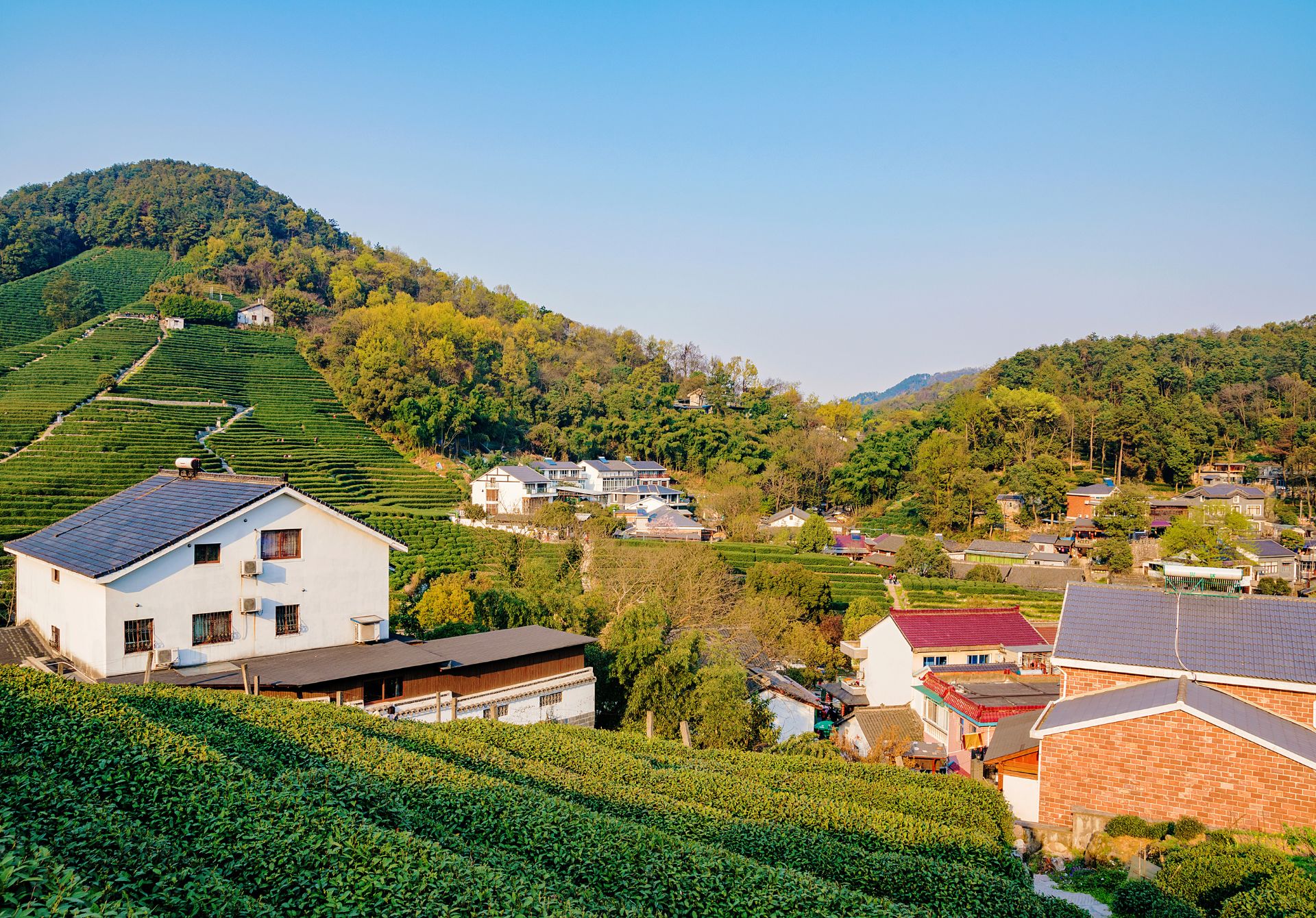
Picture this: endless rows of emerald tea bushes cascading down misty hillsides, straw-hatted workers carefully plucking leaves by hand, and the delicate aroma of freshly fried tea wafting through ancient village lanes. Welcome to Longjing Village, where China’s most celebrated green tea has been grown for over 1,200 years.
If you’re planning a trip to Hangzhou and looking for an authentic cultural experience that goes beyond the tourist trail, let me tell you—Longjing Village absolutely deserves a spot on your itinerary. Nestled in the hills just southwest of the famous West Lake, this charming tea village offers a perfect blend of natural beauty, rich history, and hands-on cultural experiences that’ll make your clients’ trip truly memorable.
Why Longjing Village Should Be on Every Hangzhou Itinerary
Longjing Village isn’t just another scenic spot—it’s the birthplace of Dragon Well tea, China’s most prestigious green tea that’s been delighting emperors and tea connoisseurs for centuries. The village is home to about 800 residents who tend nearly 800 acres of alpine tea gardens, and trust me, the setting is absolutely breathtaking.
What makes this place special? Well, the geography itself is a natural tea-growing paradise. The village sits in a valley surrounded by Lion Peak, North Peak, and Tianzhu Peak to the northwest, which block cold winds, while the south opens toward Jiuxi valley and the Qiantang River, allowing warm, moist air to flow through. This perfect microclimate creates ideal conditions for producing what many consider the finest Longjing tea in all of China.
The Imperial Connection
Here’s a story your clients will love: Legend has it that the Qing Dynasty’s Qianlong Emperor visited the village in the 18th century. While picking tea leaves at Shifeng Mountain, he received news that his mother had fallen ill. He rushed back to Beijing with tea leaves still in his sleeves. When his mother smelled the fragrance and drank the tea, she felt immediately better. The delighted emperor declared 18 tea bushes as “Imperial Tea,” and they’re supposedly still there today, with their leaves worth more than gold!
Getting There: Easier Than You’d Think
One of the best things about Longjing Village is its accessibility. Your clients can easily reach it from Shanghai via high-speed rail to Hangzhou (just an hour away), then hop on bus #27 from the northern shore of West Lake. The bus ride takes about 25 minutes and costs only 2 yuan—can’t beat that! For those who prefer convenience over adventure, a Didi (China’s Uber) from West Lake is quick, cheap, and hassle-free.
The village sits just a short distance from downtown Hangzhou, making it perfect for a half-day or full-day excursion. Many visitors combine it with a morning at West Lake, and honestly, that’s a winning combination.
What to Experience in Longjing Village
Tea Picking and Processing (March to May)
If your clients are traveling between late March and early May, they’re in for a real treat. This is peak tea-picking season, when the entire village comes alive with activity. The most prized leaves are picked just before the Qingming Festival in early April. Visitors can actually participate in the picking process—there’s something incredibly meditative about carefully plucking those tender green leaves by hand.
After picking, many local families welcome visitors into their homes to watch (or try!) the traditional tea-frying process. The leaves are hand-fried in hot woks to remove moisture and bring out that characteristic flat shape and subtle sweetness. The smell of freshly processed tea filling the village lanes is absolutely intoxicating.
Hiking Through Living Postcards
The tea plantations themselves are a hiker’s dream. Well-marked trails wind through the terraced fields, offering stunning views at every turn. The hike from Meijiawu Tea Village to Longjing Village is particularly popular—you’ll pass through endless green fields with those perfectly manicured rows of tea bushes climbing up the mountainsides.
For the best panoramic views, head up to Shifeng Mountain. From the peak, you’ll see the entire village nestled among the hills, with West Lake and Hangzhou’s skyline visible in the distance. It’s genuinely postcard-worthy, and your clients will thank you for the photo opportunities.
Tea Tasting Done Right
Here’s where things get interesting. Unlike typical tourist tea ceremonies, Longjing Village offers authentic experiences. Visitors can stop at any of the village’s teahouses or family-run establishments to taste genuine Longjing tea. A cup typically costs between 10 to 80 yuan, depending on the quality and location.
One fascinating local tradition: they often drink the tea without straining the leaves and even eat them for the health benefits! The flavor is smooth, mellow, with a distinctive fresh sweetness and no astringency. Pro tip: the tea should be steeped in water around 80°C (176°F) for about 3 minutes for optimal taste.
Beyond Tea: Other Village Attractions
While tea is definitely the star of the show, Longjing Village has several other noteworthy spots:
- The Old Dragon Well: The actual well that gave the village its name, steeped in local legend about a magical spring that seemed blessed by dragons.
- Hugong Temple: A historic temple at the foot of Shifeng Mountain, where Emperor Qianlong famously tasted imperial tea.
- China National Tea Museum: Located nearby, this free museum offers fascinating insights into tea history, cultivation, and culture. It’s set beautifully among the plantations with great views of Hangzhou’s skyline.
- Imperial Tea Garden: Where those legendary 18 tea bushes designated by the emperor still grow today.
Practical Tips for Your Clients
When to Visit
Spring (March to May) is undeniably the best time for the full experience—active tea picking, fresh harvests, and ideal weather. However, the village is beautiful year-round. Just note that the Qingming Festival in early April brings peak crowds, so plan accordingly if your clients prefer a quieter experience.
Where to Eat
The village has several excellent dining options. Green Tea Restaurant (绿茶), located near the China National Tea Museum, consistently receives rave reviews. It’s built on the water with pavilions and boats, offering creative takes on traditional Zhejiang cuisine at reasonable prices. Expect lines around lunch, though—arrive early or late.
For something more low-key, family-run restaurants in both Longjing and nearby Meijiawu village serve delicious farmhouse-style dishes. Think fresh bamboo shoots, locally raised chicken, and vegetables picked that morning. The food in the countryside really does taste better in China.
About Buying Tea
Here’s the thing: premium Longjing tea from this area can run several thousand yuan per kilo, and there are definitely scammers around. Unless your clients are serious tea enthusiasts who know what they’re doing, suggest they enjoy the tasting experiences but buy small amounts as souvenirs rather than making major purchases. The experience and knowledge gained are worth far more than any tea they could bring home.
Combining Longjing with Other Hangzhou Highlights
A typical day itinerary might look like this:
- Morning: Explore West Lake’s northern shore at a leisurely pace
- Lunch: Green Tea Restaurant near the tea museum
- Afternoon: Longjing Village for tea tasting, hiking, and cultural experiences
- Evening: Return to Hangzhou for dinner at Qinghefang Street
Many visitors also combine Longjing with nearby Lingyin Temple or the Grand Canal, depending on their interests and time constraints.
The Bottom Line
Longjing Village offers something increasingly rare in modern China—an authentic, unhurried glimpse into traditional life that hasn’t been completely sanitized for tourists. Yes, there are tourist elements, but the village still functions as a real community where families have been growing tea for generations.
Your clients will walk away with not just beautiful photos and quality tea, but a deeper appreciation for Chinese tea culture and the dedication required to produce one of the world’s finest beverages. The combination of stunning natural scenery, hands-on cultural activities, fascinating history, and genuine local hospitality makes Longjing Village an absolute must-visit for anyone spending time in Hangzhou.
Whether your clients are serious tea aficionados or just looking for a peaceful escape from city bustle, Longjing Village delivers. It’s close enough to Hangzhou to be convenient, but far enough to feel like a different world. And in my experience, it’s exactly these kinds of places—where culture, nature, and daily life intersect so beautifully—that travelers remember long after they’ve returned home.
So go ahead, add Longjing Village to that Hangzhou itinerary. Your clients won’t regret trading a few hours of generic sightseeing for an afternoon among the tea fields where emperors once walked and legends were born.