If you’re looking to offer your clients something beyond the typical tourist experience, Hangzhou’s tea plantation tours are an absolute game-changer. Trust me, once your guests experience the mist-covered hills and centuries-old tea culture here, they’ll be singing your praises for months.
Hangzhou isn’t just another pretty face in China’s tourism scene. This city is the birthplace of Longjing tea, also known as Dragon Well tea, which has been celebrated for over 1,200 years. We’re talking about tea that was once reserved for emperors and is now considered the number one tea in all of China. The surrounding area of West Lake produces some of the finest green tea on the planet, and your clients can get up close and personal with this liquid gold.
Why Hangzhou Tea Tours Should Be on Your Radar
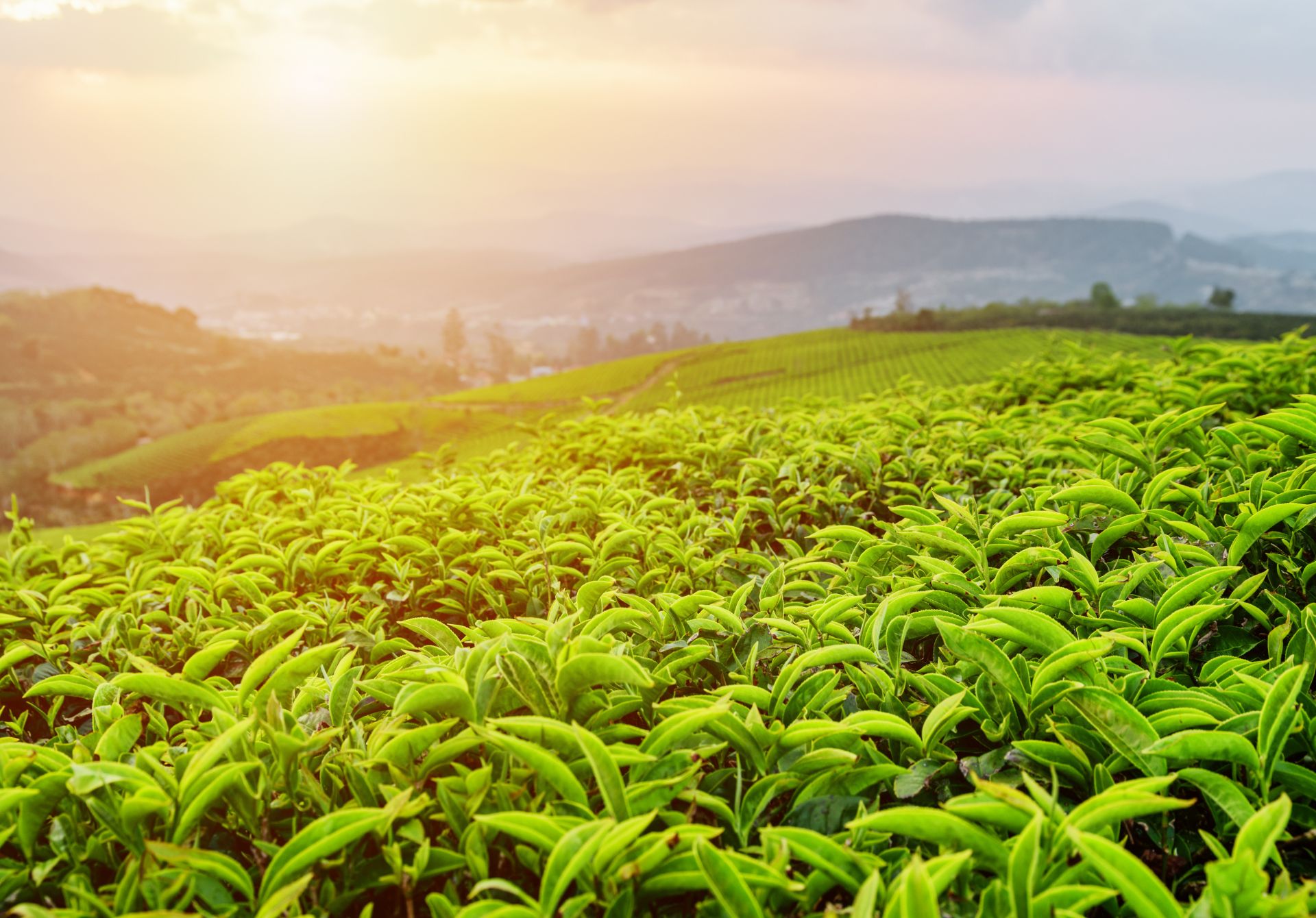
Let me paint you a picture: rolling hills covered in perfectly manicured tea bushes, local farmers who’ve been perfecting their craft for generations, and an experience so authentic it makes other “cultural tours” look like theme park attractions. The tea plantations here cover about 240 hectares and span eight charming villages, each with its own character and story.
Here’s what makes these tours special. Your clients won’t just be passive observers. They’ll actually get their hands dirty picking tea leaves alongside local farmers, learn the ancient art of hand-roasting tea in traditional woks, and participate in proper tea ceremonies that reveal why the Chinese take their tea so seriously. It’s experiential tourism at its finest.
The Star Attractions: Villages You Need to Know
Meijiawu Tea Village
This is your go-to recommendation for most clients. With a 600-year history, Meijiawu is one of the most renowned Longjing tea production areas. The village sits about 10 kilometers from downtown Hangzhou, making it super accessible while still feeling worlds away from the urban hustle.
What makes Meijiawu special? Over 160 tea houses dot the landscape, many offering multilingual exhibits and stunning tea art performances. The village gained international recognition after former Chinese Premier Zhou Enlai visited, and since then, it’s hosted more than 100 international celebrities and heads of state. There’s even a memorial hall and the picturesque Wufu Bridge commemorating his visit.
Longjing Village
This is where the legend began. Longjing Village is home to the actual Dragon Well itself, plus the famous Eighteen Imperial Tea Bushes that have been celebrated since the Qing Dynasty. According to local lore, Emperor Qianlong visited during his reign and was so impressed with the tea that he ordered regular deliveries to Beijing. When his mother fell ill and recovered after drinking the tea, he declared the bushes producing it to be imperial property.
The village offers a more intimate, traditional feel compared to Meijiawu. It’s perfect for clients who want to dig deeper into tea history and don’t mind a slightly longer journey from the city center.
What Your Clients Will Actually Experience
Here’s where you can really sell the experience. A typical tea plantation tour isn’t just about looking at pretty fields. It’s a full sensory immersion.
Hands-On Tea Picking
During spring harvest season (late March to early April), your clients can join local farmers in the fields with bamboo baskets in hand. They’ll learn the specific technique for picking the perfect leaves, typically the newest growth with one bud and two leaves. It’s harder than it looks, which makes guests appreciate the skill involved even more.
Tea Processing Demonstration
After picking, guests return to a local tea farmer’s home to watch or participate in the hand-roasting process. Watching skilled hands work the leaves in a heated wok is mesmerizing. The farmers will explain why certain movements matter and how temperature control affects flavor. As tea is processed during harvest season, the entire village fills with the distinctive aroma of freshly roasted Longjing tea.
Traditional Tea Ceremony
This isn’t your average “here’s some tea” moment. Guests learn the proper way to brew Longjing tea at about 80 degrees Celsius, why the first infusion uses just a small amount of water, and the cultural significance behind each step. Many locals drink their tea without straining, consuming the leaves for their health benefits, which always surprises Western visitors.
Practical Tips for Concierge Planning
Timing is everything. Spring, particularly late March through April, is peak season when the tea harvest happens. The fields come alive with activity, the weather is perfect, and guests can participate in actual tea picking. However, be aware that the Qingming Festival in early April brings major crowds. If your clients prefer a quieter experience, schedule visits in late March or May.
Getting there is straightforward. From downtown Hangzhou, it’s about a 30-minute taxi ride to either village. Public buses (Y3 to Longjing Village or Y4 to Meijiawu) are available for budget-conscious travelers, though most concierge services will arrange private transport. The villages are connected by a scenic 3-kilometer hiking trail called Shi Li Lang Dang, perfect for active guests who want to visit both locations.
For tour packages, most reputable operators offer 6 to 8-hour experiences that include:
- Hotel pickup and drop-off
- Visit to the China National Tea Museum (great for context before heading to the plantations)
- Guided tour of tea fields with picking opportunities
- Tea processing demonstration
- Traditional tea ceremony and tasting
- Lunch at a local family home or village restaurant
- Optional visit to the Longjing Imperial Tea Garden
Additional Selling Points
The scenery alone justifies the trip. We’re talking Instagram-worthy views of endless green terraced fields against mountainous backdrops, often shrouded in that mystical morning mist that makes every photo look like a classical Chinese painting. Even clients who couldn’t care less about tea will be blown away by the landscape.
The authenticity factor is huge. These aren’t reconstructed tourist villages. These are working tea communities where families have been growing tea for generations. Your clients will interact with real tea farmers who genuinely love what they do and are proud to share their heritage.
It’s also incredibly versatile. You can customize tours for tea enthusiasts who want deep technical knowledge, wellness-focused travelers interested in health benefits, photography buffs chasing perfect shots, or families looking for an educational outdoor activity. The experience scales beautifully.
Maximizing the Experience
Consider combining the tea plantation visit with other Hangzhou highlights. A morning at the tea villages pairs perfectly with an afternoon cruise on West Lake, a visit to Lingyin Temple, or a stroll through the historic Hefang Street. Many operators offer combo packages that showcase multiple facets of Hangzhou’s culture in a single day.
For VIP clients, arrange private tastings at premium tea houses where they can sample different grades of Longjing tea and learn to distinguish quality. Some tea farmers offer exclusive experiences in their homes, complete with traditional meals featuring local specialties. These intimate settings create memorable moments that generic group tours simply can’t match.
Final Thoughts
Look, I get it. There are a million things competing for your clients’ attention in China. But here’s the thing about Hangzhou’s tea plantation tours: they deliver something increasingly rare in modern tourism—genuine cultural connection. Your guests won’t just take photos and move on. They’ll leave understanding why tea matters so deeply in Chinese culture, why Longjing tea commands premium prices worldwide, and they’ll have hands-on memories they actually want to tell people about.
The tea fields of Hangzhou offer that perfect blend of education, beauty, and authentic interaction that turns a good trip into an unforgettable one. Whether you’re planning itineraries for curious foodies, wellness travelers, culture vultures, or clients who simply want something different from the standard tourist route, these plantation tours deliver every single time.
Plus, let’s be honest, when your clients come home with premium Longjing tea as gifts, you look like a genius for knowing about this place. Win-win all around.