When you think about Hangzhou, your mind probably drifts to the misty beauty of West Lake or the ancient temples tucked into hillsides. But there’s another experience that captures the essence of this enchanting city just as powerfully—the timeless ritual of the tea ceremony.
Why Hangzhou is China’s Tea Capital
Let me tell you something: Hangzhou isn’t just any old city when it comes to tea. This place has been at the heart of China’s tea culture for over a thousand years. The surrounding hills produce Longjing tea (also known as Dragon Well tea), which isn’t just famous—it’s legendary. We’re talking about one of China’s top ten teas, celebrated for its delicate flavor, vibrant jade-green color, and a history that dates back over 1,200 years.
The story goes that Emperor Qianlong of the Qing Dynasty was so captivated by Longjing tea during a visit to the plantations that when his mother fell ill, he rushed back with some leaves. After she tasted the tea and immediately felt better, the emperor designated certain tea bushes as “imperial,” and they’re still tended to this day at the Longjing Imperial Tea Garden. Now that’s a legacy.
What Makes a Tea Ceremony Special
If you’ve never experienced a traditional Chinese tea ceremony, you’re in for something truly memorable. This isn’t about quickly dunking a tea bag in hot water. The ceremony is a carefully choreographed performance that transforms drinking tea into an art form—one that engages all your senses and invites you to slow down and be present.
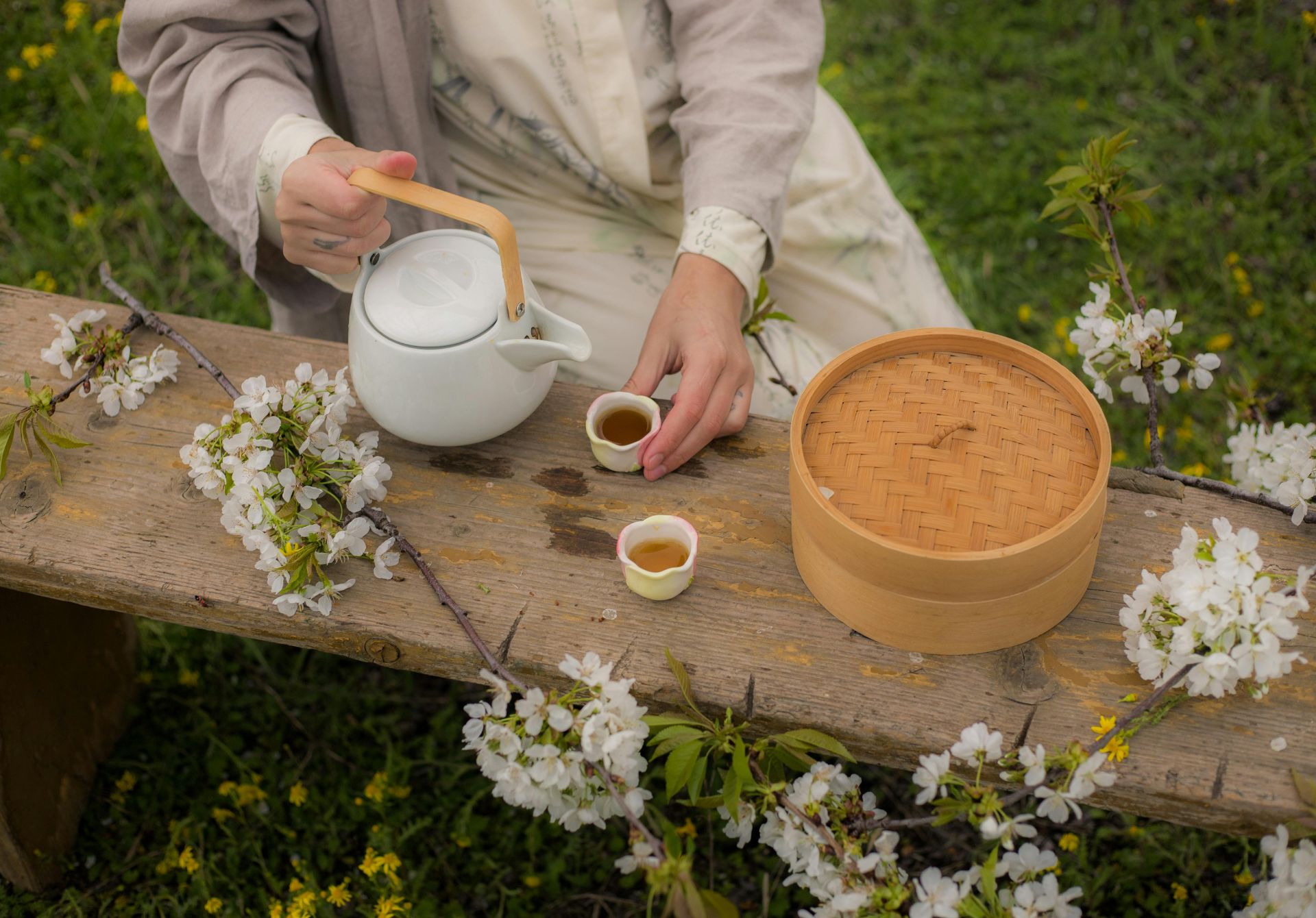
During a typical ceremony, you’ll witness a tea master (often wearing traditional silk attire) demonstrate the precise movements involved in brewing the perfect cup. Every gesture matters: the way they warm the teapot, measure the leaves, pour the water at just the right temperature, and present the tiny cups. It’s meditation meets hospitality meets theater, all rolled into one beautiful experience.
Where to Experience Tea Ceremonies in Hangzhou
The great news for travelers is that Hangzhou offers multiple authentic ways to dive into tea culture, whether you’re a hardcore tea enthusiast or just curious about local traditions.
- Meijiawu Tea Village: This is where you’ll find working tea plantations draped across terraced hillsides like green patchwork quilts. Many local families welcome visitors into their homes for intimate tea ceremonies. You can even try your hand at picking tea leaves (best in spring, from March through May) and watch the fascinating process of hand-frying fresh leaves in massive iron woks heated to around 200°C.
- China National Tea Museum: As China’s only museum dedicated entirely to tea and tea culture, this is essential for anyone wanting to understand the bigger picture. The museum showcases over 4,700 years of tea history, displays exquisite teaware from different dynasties, and offers tea ceremony performances and tastings. Plus, the setting itself—surrounded by actual tea plantations with views of lush green fields—is absolutely stunning.
- Tea Academies: For a more immersive experience, places like Fuquan Academy (connected to Yongfu Temple) and Suye Tea Academy offer multi-hour sessions where you can enjoy tea accompanied by traditional guqin music. These academies blend ancient scholarly traditions with modern comfort, creating spaces where you can have meaningful conversations with fellow tea lovers while learning the finer points of tea appreciation.
- Longjing Village: As one of the eight villages in the Longjing Tea Plantations area, this charming spot lets you get up close with the source. Walk through the terraced fields, visit the historic Dragon Well itself (said to be connected to the sea and home to a dragon), and participate in ceremonies led by specialists who’ve grown up surrounded by tea culture.
Unique Cultural Traditions Worth Witnessing
If you’re lucky enough to visit in early March during Jingzhe (a traditional Chinese solar term marking early spring), you might catch the “Shout for Tea” ceremony in Wengjiashan village. Dating back to 1936, this folk tradition involves tea farmers gathering to literally shout “Tea, sprout!” across the hillsides, calling for a bountiful harvest. It’s wonderfully authentic and increasingly attracts international visitors who want to participate in these living traditions.
What to Expect During Your Visit
Most tea ceremony experiences in Hangzhou last between one and two hours, though you can certainly spend an entire day exploring tea culture if you’re so inclined. Here’s what typically happens:
- You’ll sample multiple varieties of tea—not just Longjing, but also oolong, black tea, white tea, and Pu’er
- A specialist will guide you through proper tasting techniques (hint: it involves a lot more than just drinking)
- You’ll learn about the health benefits, history, and cultural significance of different teas
- Many experiences include time to wander through the actual tea plantations
- Photography opportunities abound, from the emerald-green terraced fields to the elegant ceremony itself
Practical Tips for Tea Tourists
Spring (especially early April around Qingming Festival) is prime time for tea tourism in Hangzhou because it’s the main harvesting season for Longjing tea. The weather is pleasant, the fields are lush and green, and you can actually participate in tea picking. That said, autumn offers its own charms with cooler weather and beautiful foliage, making it perfect for appreciating black and oolong teas.
Most tea villages and the China National Tea Museum are easily accessible from downtown Hangzhou—about 15-30 minutes by taxi or buses 27, 87, or Y3. If you’re coming from Shanghai, the high-speed train makes it an easy day trip (about 90 minutes), though honestly, Hangzhou deserves more than just a day of your time.
Budget-wise, experiences vary widely. You might pay around 168 yuan per person for a tea ceremony with tasting at an academy, while museum entry is often free or very affordable. Private guided tours that include tea village visits, ceremonies, and lunch typically range from a few hundred to several hundred dollars depending on the level of customization and group size.
Beyond the Tea: Creating a Complete Experience
Here’s my advice: don’t just tick the tea ceremony box and rush off. The beauty of Hangzhou’s tea culture is how it interweaves with the city’s other attractions. Combine your tea experience with a boat ride on West Lake, a visit to Lingyin Temple (where Buddhist monks have been cultivating tea since the Tang Dynasty), or a stroll through the bamboo groves at Yunqi. This holistic approach gives you a much richer understanding of why tea matters so much to this region’s identity.
The Takeaway
In a world that seems to move faster every day, participating in a Hangzhou tea ceremony is like stepping into a slower, more thoughtful dimension. It’s not just about the tea itself (though the tea is genuinely exceptional). It’s about the ritual, the craftsmanship, the connection to centuries of tradition, and the simple pleasure of being fully present for something beautiful.
Whether you’re a seasoned tea connoisseur or someone who’s never given much thought to what’s in their mug, Hangzhou’s tea culture offers something profound. It’s a window into Chinese philosophy, hospitality, and artistry. It’s a chance to understand why tea became such a fundamental part of social and spiritual life across Asia. And practically speaking, it’s just a wonderfully enjoyable way to spend a few hours in one of China’s most beautiful cities.
So when you’re planning your Hangzhou itinerary, make sure to carve out proper time for tea. Book a ceremony, visit the plantations, meet the farmers, and most importantly—slow down and savor every sip. Your taste buds (and your soul) will thank you.